A building defect survey is an assessment conducted by qualified professionals to identify and document any building defects or issues within a property. The building defects survey involves a comprehensive inspection of the building’s structure, components, and systems to determine its condition and identify any areas of concern. The building defects analysis aims to identify defects, deterioration, or non-compliance with building regulations or standards.
A building defect survey is especially important when purchasing or leasing a property, as it provides valuable information about the building’s condition and potential future costs that may be required. Building defects survey reports can also be helpful for property owners and managers to proactively address defects, prevent further damage, and ensure the safety and habitability of the building.
During the survey, the surveyor examines various aspects of the building, including the
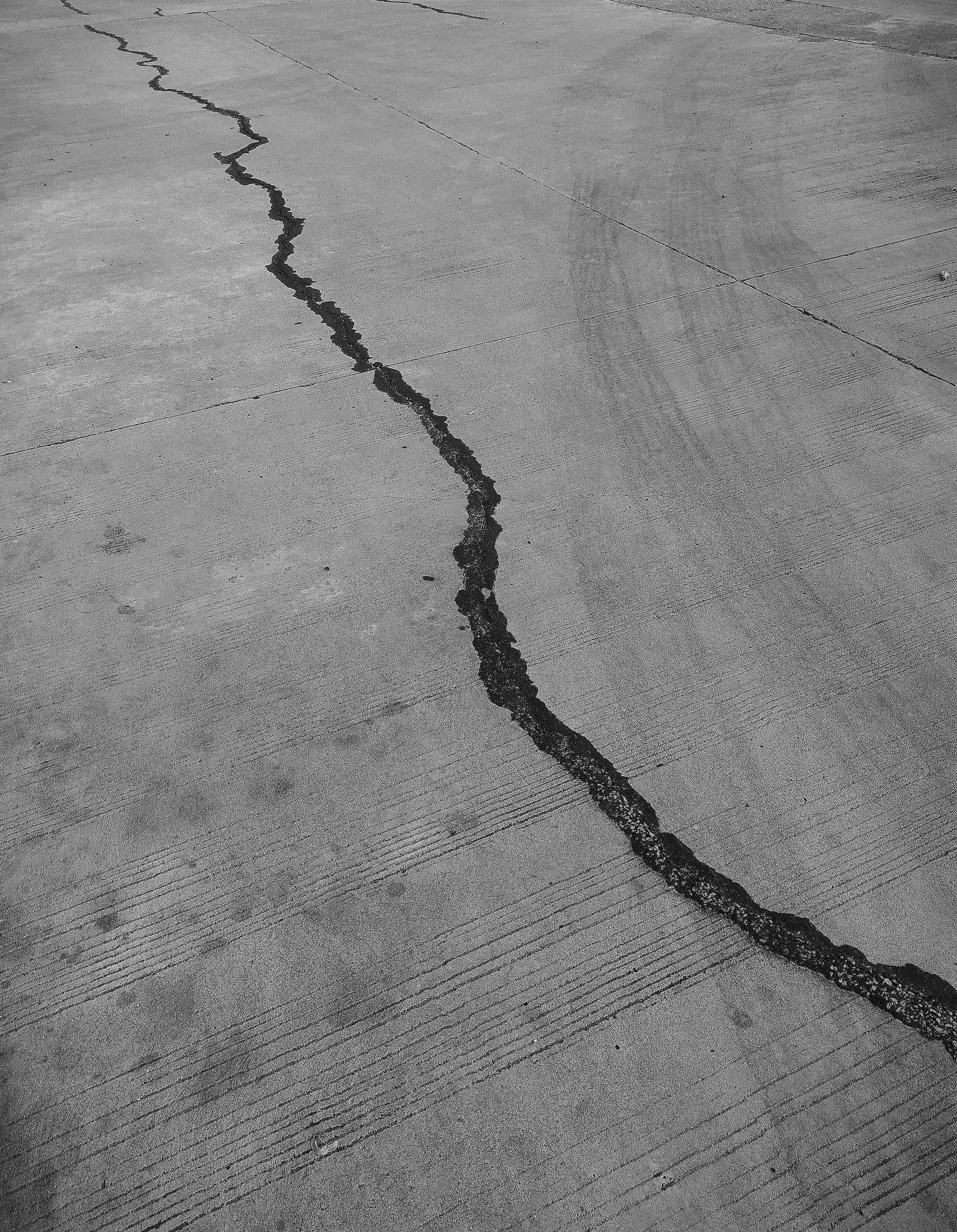
They look for signs of structural damage, water leakage, dampness, cracks, subsidence, faulty wiring, inadequate insulation, and other potential problems that need rectifying.
The surveyor will document their findings in a detailed building defects survey report. In this building defects survey report, you can expect photographs, sketches, and measurements. The building defects survey report highlights the identified defects, their severity, and recommendations for remedial actions.
The building defects survey reports help building owners, buyers, or tenants make informed decisions about the condition of the building and plan for necessary repairs, maintenance, or renovations.
Some of the most common building defects that surveyors find in properties include:
The building defects survey reports help building owners, buyers, or tenants make informed decisions about the condition of the building and plan for necessary repairs, maintenance, or renovations.
When using the building inspection services, there are a number of things you can expect, including:
Our panel of experts are regulated by the following regulatory bodies including but not limited to: the Royal Institution of Chartered Surveyors (RICS), The Property Ombudsman (TPO), Society of Operations Engineers (SOE), Chartered Association of Building Engineers (CABE), Faculty of Party Wall Surveyors (FPWS), the International Real Estate Federation (FIABCI) and the Chartered Institute of Building (CIOB).